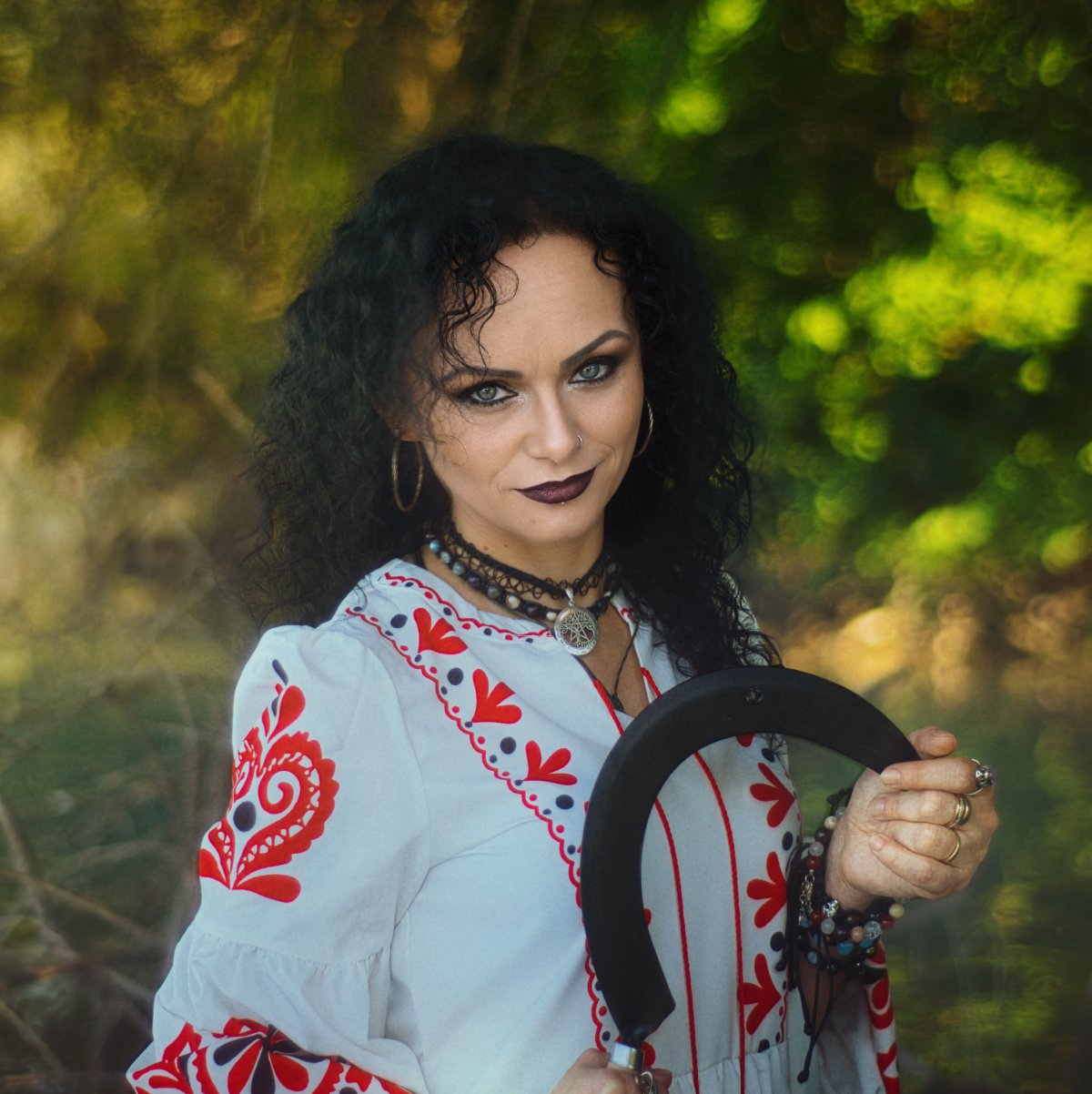

We met at a nudist beach. It wasn’t planned. At that time of day, it simply had the best light.
We made our way a little uncertainly among the beachgoers and set up on the shore. Just as a naked person stands out in a clothed crowd, we stood out there by remaining dressed. That’s probably one of the things I like so much about outdoor sessions – the adventure often writes itself.
It was a sunny day, and the sun was high. The weather definitely favoured joining the swimmers rather than taking photographs. High sun and heat make shadows sharp and short, contrasts huge, and skin react very quickly with beads of sweat. A tree by the shore nevertheless gave us the shelter and conditions we needed. We still had to make sure that the sun-drenched shoreline didn’t burn out completely while the model didn’t disappear into the shade. Those contrasts.
We went into the water, still standing out because of our clothes. We waded along the shoreline until we reached the tree. The water and the noon witch’s costume suited each other surprisingly well. That was how my noon witch slowly began to transform into a rusalka.
Slavic mythology is a source from which you can draw inspiration by the handful. You don’t have to cling rigidly to a single myth or create a literal illustration of it. I’m more interested in the atmosphere, the association, a certain unease hidden beneath an apparently beautiful image.
We started with a warm-up: simple shots, light tests, and experiments with positioning in the water and the angle relative to the sun. I was looking for a place where the light would stop fighting the image and start working for it.
Eventually, I managed to cut the shoreline, steeped in heat, out of the frame and create a scene that was coherent in terms of light – bright and warm, yet subtly gloomy. The greenery, dark water, white dress and strong red ornaments began to work together. The photographs turned out quite picturesque, a little different from those I’m used to, but I suppose that was exactly the point.
In the process, we became a local attraction on the beach. The beachgoers came over to us, stopped for a moment and asked what we were actually doing. We quickly made contact with them. Someone’s inflatable mattress even became a temporary equipment table, set up in the middle of the water.
That allowed us to experiment more boldly with submersion and perspective. I kept lowering the camera, trying to find a point from which the water would truly take part in the frame rather than merely serve as a background. At the same time, I had to keep making sure that the camera stayed safely above its surface. One larger wave, one wrong movement or a moment of inattention would have been enough for the experiment to become very costly.
Over time, however, the session stopped being a struggle against the light, the water and the conditions. Everything began to work naturally. We already knew where we could stand, how the light behaved beneath the tree and where reflections appeared. We could stop testing and simply start photographing.
And I think that was when my favourite frames from the series were created.

Assistant